
Food and
Feed Testing
Ensuring the safety and quality of food and feed means monitoring every stage of the agrifood supply chain, from raw materials to final distribution.
The agri-food sector is governed by a complex system of mandatory regulations and voluntary standards, which require continuous and well-documented monitoring throughout all phases of production:
- HACCP and Regulation (EC) No 852/2004 (food hygiene)
- Regulation (EC) No 183/2005 (feed hygiene)
- Voluntary certifications such as IFS, BRC, and ISO 22000
Tentamus Agriparadigma supports agricultural businesses, processors, feed manufacturers, large-scale retailers (GDO), and food service operators with integrated and flexible analytical plans, tailored to the specific needs of each production environment.
Main Applications
- Quality control of food products of plant origin (grains, fruit and vegetables, oils, beverages) and animal origin (meat, fish, milk, eggs, and derivatives)
- Feed safety for livestock animals
- Support for nutritional labeling and claims in compliance with Regulation (EU) No 1169/2011 and Regulation (EC) No 1924/2006
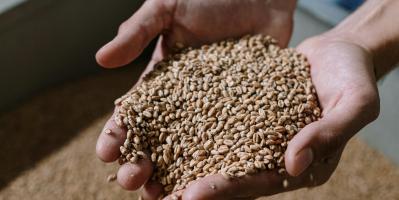
How does the
sampling process work?
Sampling is a crucial first step to obtain representative and reliable analytical results.
Tentamus Agriparadigma performs sampling in accordance with standardized protocols, respecting both sector-specific regulations and the client’s specific requirements.
Samples can be collected directly by our qualified personnel, or sent by the client following clear packaging and storage instructions. Each sample is tracked, registered, and stored under controlled conditions to prevent any alterations that could compromise the validity of the analyses.
Related Analyses
Our monitoring plans include a variety of specialized analyses:

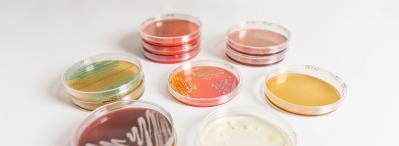


Thanks to the synergy between the Tentamus Group laboratories and our close collaboration with consulting companies within the network, we offer integrated analytical plans and customized solutions tailored to your quality control, certification, export, and regulatory compliance needs.